HOME

 ABOUT PLAUEN LACE

 ABOUT SCHWIBBÖGEN

 WHAT'S NEW

 SCHWIBBÖGEN

    Double Arches
    Tree Arches
    Mini Arches
    Grimm's Fairy Tales

 HOLIDAY LINENS

    Christmas
    Easter

 LINENS & LACE

    Plauen Lace
    Cotton Lace
    Long Lace Runners
    Spring
    All Year
    Table Ribbons
    Judaica

 WEDDING HANKIES

 ERZGEBIRGE FOLK ART

    Artisan Pyramids
    Christmas Collectibles
    Angel Collectibles
    Christmas Pyramids
    Smokers
    Nutcrackers
    Wood Ornaments
    Easter Collectibles
    Folk Art Collectibles

 MANTEL SCARVES

    Christmas
    Plauen Lace

 WINDOW LACE

    Window Picture Lace
    Plauen Lace
 

 FIND A RETAILER

 CONTACT US


 © 2008 Sachsen Imports

More About Plauener Spitze 

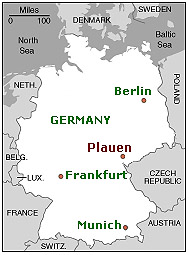
Plauen Lace and embroidery have their roots in a centuries-old tradition of textile manufacture in and around the city of Plauen in Germany. Here are some important highlights in the history of Plauen lace:

1780  The embroidery trade begins to grow in the Vogtland region of Germany, centered
around the city of Plauen

1810  Satin-stitch embroidery, done by hand, spreads
throughout the region.

1828  In Plauen and in the surrounding areas of the
Vogtland more than 2,000 people work in hand
embroidery. It becomes a new main source of
employment.

1858  The first hand-operated embroidery machines are
used, and industrialization begins.

1880  Production increases rapidly. The production of
machine-made lace becomes a technological marvel.
It becomes known throughout the world as
Plauener Spitze (Plauen lace).

1900  Plauen Lace designs and its new technology are awarded the Grand Prix at the
1900 World Exposition in Paris. Most of the lace produced in Plauen is exported to the
United States. Through the 1920s, Plauen has more millionaires per capita than any
other city in Germany.
The population of Plauen almost triples between 1880 and 1914.

1913-1945  After a long growth period, the production of Plauen Lace begins to decline,
partly as a result of World War I. Conditions worsen as the economy collapses.
Thousands of people are thrown out of work. During World War II, almost all factories
and designs are destroyed during bombing raids in April 1945. Almost 75% of Plauen
lay in ruins.

1950  The lace and embroidery industry, at first in private hands, begins again in the
German Democratic Republic. In 1972 the East German government nationalizes these
small family-owned factories.

1982  Over 1,400 embroidery and lace machines produce the state-owned Plauen Lace,
which is exported to over 40 countries.

1990  After the fall of the Berlin Wall in 1989 and the reunification of Germany in 1990,
the state-owned factories are privatized. Several families once again take over the
factories they had lost, and attempt to rebuild their companies. The Plauen Lace and
Embroidery Cooperative is founded.

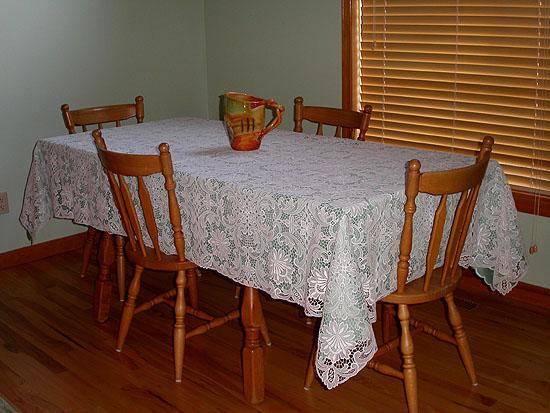
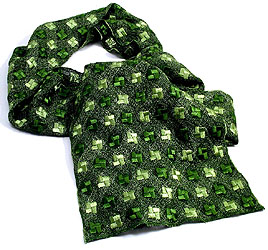
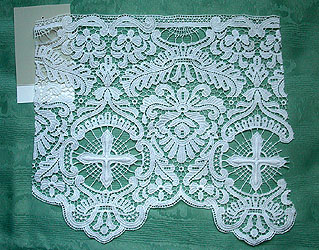
1996  The industry is consolidated into approximately 75 small companies. Plauen Lace
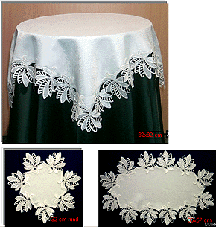
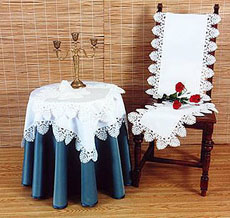
experiences a rebirth in the domestic and foreign markets, as shown in the designs
below.

The trademark Plauener Spitze® is your guarantee of the highest quality German table linen.

© 2008 Sachsen Imports. Use of pictures and text forbidden without prior written consent.